
The war against spittle
It turns out, there was a time when people everywhere were spitting everywhere. In India, spitting was celebrated in royal courts, and grand spittoons were a centrepiece in many homes.
In Europe in the middle ages, you could spit during a meal, as long as it was underneath the table. Erasmus wrote that “sucking back saliva” was “unmannerly”. In 1903, the British Medical Journal labelled America one of the “expectorative storm centres of the world”. A Massachusetts health inspector, upon asking in 1908 why tailors spat on the floor in every factory he visited, reported receiving the reply, “Of course they spit on the floor; where do you expect them to spit, in their pockets?”
Not that things were much better in Britain, where it was common enough to spit on tram cars where people were fined and the medical community was demanding a law against it.
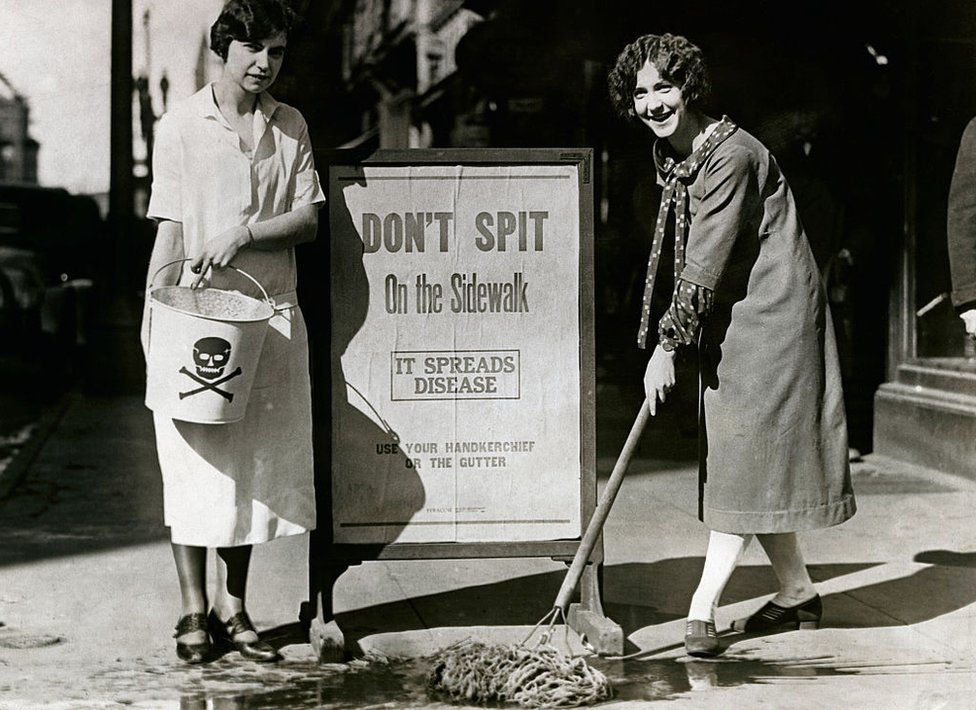
It was the spread of tuberculosis that finally dealt a blow to the habit in the West. The growing awareness of germ theory in the late 19th to early 20th Century played a crucial role, says journalist Vidya Krishnan, author of the upcoming book Phantom Plague: How Tuberculosis Shaped History.
“The awareness of how germs spread gave rise to new social habits and customs. People learned to shield their sneezes and coughs, reject handshaking, and kissing a baby was frowned upon. Domestic awareness of hygiene radiated outward as well.”
Ms Krishnan says the increased awareness led to “behaviour change” in men, since they were and still are the ones “who indulge in public spitting at a scale that causes infectious diseases like TB to spread”.
But India has a number of obstacles to surmount, Ms Krishnan says. Its states have never tried very hard to end the habit. And spitting is still socially acceptable – be it chewing tobacco, sportsmen spiting on camera or Bollywood portrayals of men spitting while fighting each other.
Mr Narasimhan laments the modern lack of spitoons. “Even if I have to spit, where do I spit?” he says. “As a child in Kolkata, I remember spittoons tied to lampposts filled with sand. That’s disappeared, and people spit everywhere.”
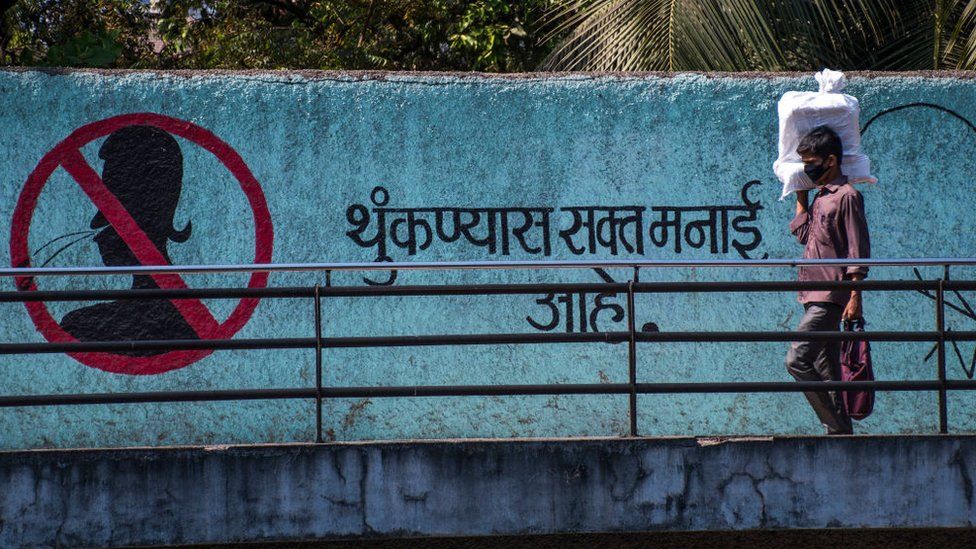
And there are bigger challenges. “No large-scale behaviour change or public health intervention can rule out caste, class and gender,” Ms Krishnan says. “In India, access to bathrooms, running water and good plumbing are all matters of privilege.”
Health experts have warned that merely punishing people, without attempting to understand why they spit, will not win the war against the habit. And two years into the Covid-19 pandemic, the zeal for curing this particular addiction is waning. But Raja and Priti Narasimhan are undeterred in their street battle. Most people remain unaware it could contribute to the spread of Covid-19, they say – and that is something they can at least change a little, if not fix.
“It’s okay if we are wasting time, we will try,” Mr Narasimhan says. “If we can create attitudinal change in even 2% people, then we have made a difference
 Survey Of World
Leave a comment