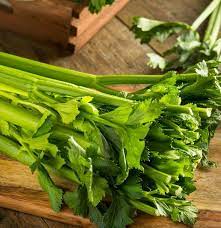
At just 10 calories a stalk, celery’s claim to fame may be that it’s long been considered a low-calorie “diet food.”
But crispy, crunchy celery actually has a number of health benefits that may surprise you. Here are five reasons you should consider adding celery to your diet, plus a few recipes to make it easy.
The nutrients in the celery plant and its seeds may provide a range of health benefits. is worth remembering, however, that these nutrients occur in relatively small amounts in celery. Eating celery alone is not likely to prevent or cure any disease.
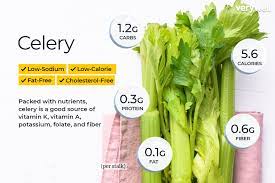
Celery is rich in vitamins and minerals with a low glycemic index. You’ll enjoy vitamins A, K, and C, plus minerals like potassium and folate when you eat celery.
A cup of chopped celery contains:
- Calories: 14.
- Protein: Less than 1 gram.
- Fat: Less than 1 gram.
- Carbohydrates: 3 grams.
- Fiber: 1.6 grams.
- Sugar: 1 gram.
What happens if you eat celery everyday?
Daily consumption of celery juice helps balance the bowel flora and aids in smooth bowel movement. Celery is about 95 percent water and it contains generous amounts of soluble and insoluble dietary fiber that help prevent constipation and diarrhea. Celery contains flavonoids that inhibit the growth of certain bacteria.
 Survey Of World
Leave a comment