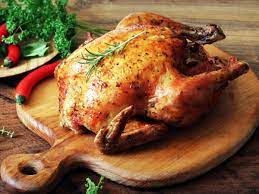
Chicken is one of the most popular types of meat.

It’s not only widely available and easy to prepare but also easily found in a number of preparations and varieties.
Still, though chicken is a common dietary staple, you may be unsure about just how healthy it is.
This article reviews a few of the benefits and downsides of chicken to determine whether it’s good for you.
Chicken is rich in a variety of important nutrients, including protein, niacin, selenium, and phosphorus.
One 3-ounce (85-gram) serving of chicken breast contains.
- Calories: 122
- Protein: 24 grams
- Fat: 3 grams
- Carbs: 0 grams
- Niacin: 51% of the Daily Value (DV)
- Selenium: 36% of the DV
- Phosphorus: 17% of the DV
- Vitamin B6: 16% of the DV
- Vitamin B12: 10% of the DV
- Riboflavin: 9% of the DV
- Zinc: 7% of the DV
- Thiamine: 6% of the DV
- Potassium: 5% of the DV
- Copper: 4% of the DV

Nutrition
Protein, in particular, is essential for building and repairing your tissues and maintaining muscle mass.
Meanwhile, selenium is a trace mineral that’s necessary for proper immune function, thyroid health, and fertility.
Chicken is also rich in B vitamins like niacin and vitamins B6 and B12, which play central roles in energy production, DNA synthesis, and brain health.
Benifits
Chicken is rich in an array of important nutrients and can be an excellent addition to a healthy, well-rounded diet.
Given that chicken is low in calories but high in protein, it may be especially beneficial for weight loss, if that’s a goal for you.
Studies show that increasing your intake of protein may enhance feelings of fullness, increase weight loss, and help maintain lean body mass.
When paired with resistance training, protein can also help promote muscle growth.
What’s more, protein is involved in calcium metabolism and important for optimizing bone health.

SUMMARY
- Chicken is a great source of many key nutrients, including protein, niacin, selenium, and phosphorus.
- Chicken is highly nutritious and a good source of protein. Adding chicken to your diet may help support weight loss, muscle growth, and bone health.
- Fried and breaded chicken may be higher in unhealthy fats, carbs, and calories. Certain types of chicken are also heavily processed, and processed meat intake is associated with negative health effects.
- Grilling, baking, and stir-frying chicken are a few of the healthiest ways to enjoy chicken.
- Chicken is a great source of many key nutrients, including protein, niacin, selenium, and phosphorus.
- Chicken is highly nutritious and a good source of protein. Adding chicken to your diet may help support weight loss, muscle growth, and bone health.
- Fried and breaded chicken may be higher in unhealthy fats, carbs, and calories. Certain types of chicken are also heavily processed, and processed meat intake is associated with negative health effects.
- Grilling, baking, and stir-frying chicken are a few of the healthiest ways to enjoy chicken.
- Fried chicken, rotisserie chicken, and chicken lunch meat are a few types of chicken that you should limit or avoid on a healthy diet.
- Enjoy 3–4 ounces (85–113 grams) of chicken per serving and choose healthy cooking methods like baking, grilling, stir-frying, or steaming whenever possible.
- One chicken breast contains about 54 grams of protein, or 31 grams of protein per 100 grams. 80% of the calories from chicken breast comes from protein, while 20% comes from fat.
- One chicken thigh contains 13.5 grams of protein, or 26 grams of protein per 100 grams. 53% of the calories in chicken thighs comes from protein, while 47% comes from fat
- One chicken drumstick has 12.4 grams of protein, or 28.3 grams of protein per 100 grams. 70% of the calories from a chicken drumstick comes from protein, while 30% of the calories comes from fat.
- Chicken is a great source of many key nutrients, including protein, niacin, selenium, and phosphorus.
- Chicken is highly nutritious and a good source of protein. Adding chicken to your diet may help support weight loss, muscle growth, and bone health.
- Fried and breaded chicken may be higher in unhealthy fats, carbs, and calories. Certain types of chicken are also heavily processed, and processed meat intake is associated with negative health effects.
- Grilling, baking, and stir-frying chicken are a few of the healthiest ways to enjoy chicken.
- Fried chicken, rotisserie chicken, and chicken lunch meat are a few types of chicken that you should limit or avoid on a healthy diet.
- Enjoy 3–4 ounces (85–113 grams) of chicken per serving and choose healthy cooking methods like baking, grilling, stir-frying, or steaming whenever possible.
- One chicken breast contains about 54 grams of protein, or 31 grams of protein per 100 grams. 80% of the calories from chicken breast comes from protein, while 20% comes from fat.
- One chicken thigh contains 13.5 grams of protein, or 26 grams of protein per 100 grams. 53% of the calories in chicken thighs comes from protein, while 47% comes from fat
- One chicken drumstick has 12.4 grams of protein, or 28.3 grams of protein per 100 grams. 70% of the calories from a chicken drumstick comes from protein, while 30% of the calories comes from fat.
- One chicken wing contains 6.4 grams of protein, or 30.5 grams of protein per 100 grams. 64% of the calories from chicken wings comes from protein, while 46% comes from fat.
If you want to lose weight, maintain muscle mass or improve recovery, chicken breast is ideal. It is lean and has the most protein by weight. Fattier cuts may be beneficial for those on low-carb or keto diets, as well as those trying to gain weight or build muscle.
 Survey Of World
Leave a comment