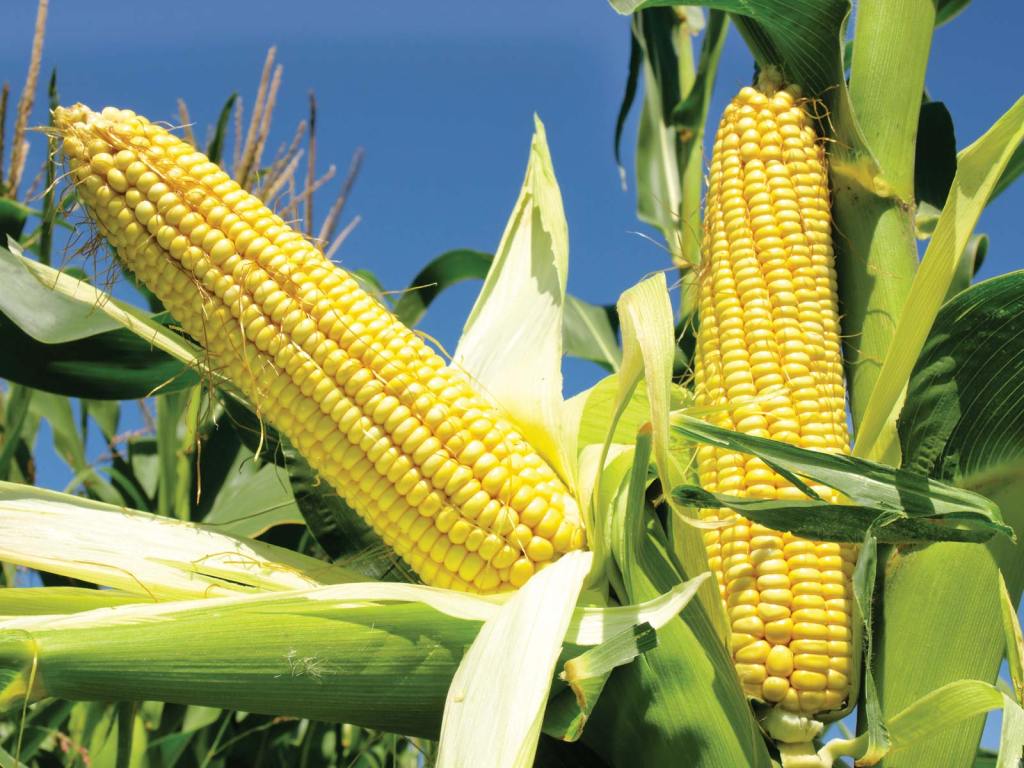
Corn, also known as maize, is a starchy vegetable that comes as kernels on a cob, covered by a husk. Corn is one of the most popular vegetables in the U.S. that sometimes gets a bad rap because it has a lot of natural sugar and carbs. But don’t overlook the health benefits of this versatile veggie.
Corn is a favorite of summertime cookouts. Popped, it makes the perfect snack for movie nights or parties. Dried and ground into flour, its seeds become cornmeal for tortillas, chips, and crackers. In this form, it’s a grain, not a vegetable.
Corn Health Benefits
Don’t let the sweet taste fool you. Choosing corn and whole-grain corn products — rather than food that has processed white flour — can lead to better gut health and help lower your chances of getting diseases like cancer, heart disease, and type 2 diabetes.
The fiber in corn helps you stay full for longer between meals. It also feeds healthy bacteria in your digestive tract, which may help protect against colon cancer.
Popcorn may also help prevent diverticulitis, a condition that causes pouches in the walls of your colon. In a large study, men who ate more popcorn had a lower risk of getting diverticular disease.
Corn is rich in vitamin C, an antioxidant that helps protect your cells from damage and wards off diseases like cancer and heart disease. Yellow corn is a good source of the carotenoids lutein and zeaxanthin, which are good for eye health and help prevent the lens damage that leads to cataracts. Corn also has smaller amounts of vitamins B, E, and K, along with minerals like magnesium and potassium.https://c571f301595a95bcfcae29f3d3e5910e.safeframe.googlesyndication.com/safeframe/1-0-38/html/container.html
When it comes to nutrients, color matters. Plant pigments are where you’ll find natural chemicals called phytonutrients, which carry the antioxidants. That’s why white or yellow corn has fewer antioxidants than blue or purple corn. (These darker-colored types of corn come in chips or taco shells.)
Corn Risks
Corn is a starchy vegetable, like potatoes and peas. That means it has sugar and carbohydrates that can raise your blood sugar levels. It can still be a healthy part of your diet if you don’t overdo it. If you have diabetes, you don’t necessarily need to avoid corn, but watch your portion sizes.
Corn also has antinutrients, which are compounds that keep your body from absorbing nutrients as well as it should. Soaking your corn can help remove many of them.
Often, corn gets contaminated by fungi that put off toxins called mycotoxins. If you eat a lot of corn with these toxins, you’re at a higher risk for certain cancers, liver problems, lung issues, and slowing of your immune system.
Some people who have celiac disease — a disorder that causes an autoimmune response when you eat any kind of gluten — find that corn causes issues for them. Corn may also cause a symptom flare if you have irritable bowel syndrome (IBS).
Some people have raised concerns about genetically modified (GM) corn. Scientists can change the DNA in corn to make it more resistant to drought or insects, or to give it more nutrients. Farmers sometimes use this type of corn in their crops.
There’s no evidence that genetically modified corn poses any risk to human health.
Corn Nutrition
In one ear of sweet corn, you get these nutrients per serving:
- Calories: 90
- Protein: 3 grams (g)
- Fat: 1 g
- Carbohydrates: 19 g
- Fiber: 1 g
- Sugars: 5 g
- Vitamin C: 3.6 milligrams (mg)
 Survey Of World
Leave a comment