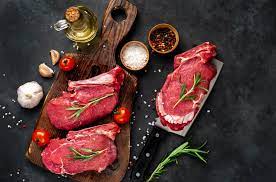
Beef is the meat of cattle (Bos taurus).
It is categorized as red meat — a term used for the meat of mammals, which contains higher amounts of iron than chicken or fish.
Usually eaten as roasts, ribs, or steaks, beef is also commonly ground or minced. Patties of ground beef are often used in hamburgers.
Processed beef products include corned beef, beef jerky, and sausages.
Fresh, lean beef is rich in various vitamins and minerals, especially iron and zinc. Therefore, moderate intake of beef can be recommended as part of a healthy diet.
This article tells you everything you need to know about beef.

Nutririon Facts
Beef is primarily composed of protein and varying amounts of fat.
Here are the nutrition facts for a 3.5-ounce (100-gram) serving of broiled, ground beef with 10% fat content
- Calories: 217
- Water: 61%
- Protein: 26.1 grams
- Carbs: 0 grams
- Sugar: 0 grams
- Fiber: 0 grams
- Fat: 11.8 grams
Protein
Meat — such as beef — is mainly composed of protien
The protein content of lean, cooked beef is about 26–27%.
Animal protein is usually of high quality, containing all nine essential amino acids needed for the growth and maintenance of your body .
As the building blocks of proteins, amino acids are very important from a health perspective. Their composition in proteins varies widely, depending on the dietary source.
Meat is one of the most complete dietary sources of protein, its amino acid profile being almost identical to that of your own muscles.
For this reason, eating meat — or other sources of animal protein — may be of particular benefit after surgery and for recovering athletes. In combination with strength exercise, it also helps maintain and build muscle mass.
Fat
Beef contains varying amounts of fat — also called beef tallow.
Apart from adding flavor, fat increases the calorie content of meat considerably.
The amount of fat in beef depends on the level of trimming and the animal’s age, breed, gender, and feed. Processed meat products, such as sausages and salami, tend to be high in fat.
Lean meat is generally about 5–10% fat.
Beef is mainly composed of saturated and monounsaturated fat, present in approximately equal amounts. The major fatty acids are stearic acid, oleic acid, and palmitic acid.
Food products from ruminant animals — such as cows and sheep — also harbor trans fats known as ruminant trans fats.
Unlike their industrially-produced counterparts, naturally-occurring ruminant trans fats are not considered unhealthy.
The most common is conjugated linoleic acid (CLA), which is found in beef, lamb, and dairy products
CLA has been linked to various health benefits — including weight loss. Still, large doses in supplements may have harmful metabolic consequences.
SUMMARY
- Beef protein is highly nutritious and may promote muscle maintenance and growth. Beef contains varying amounts of fat, including CLA, which has been linked to health benefits.
- Meat is an excellent source of various vitamins and minerals. These include vitamin B12, zinc, selenium, iron, niacin, and vitamin B6.
- Animal meat like beef contains a number of bioactive substances, such as creatine, taurine, CLA, and cholesterol.
- Rich in high-quality protein, beef may help maintain and grow muscle mass. Its beta-alanine content may reduce fatigue and improve exercise performance. Plus, beef may prevent iron deficiency anemia.
- It’s unclear whether meat consumption or saturated fats in beef increase your risk of heart disease. Some studies observe a link, but others don’t.
- High consumption of overcooked meat may increase the risk of several types of cancer.
- In some countries, raw or rare beef may contain beef tapeworm. Plus, as a rich source of iron, high beef consumption may contribute to excess iron accumulation — especially in people with hemochromatosis.
- Beef from grass-fed cows is higher in many healthy nutrients than beef from grain-fed cows.
 Survey Of World
Leave a comment