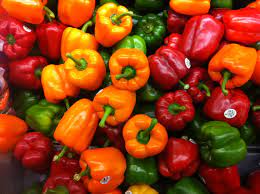

Bell peppers (Capsicum annuum) are fruits that belong to the nightshade family.
They are related to chili peppers, tomatoes, and breadfruit, all of which are native to Central and South America.
Also called sweet peppers or capsicums, bell peppers can be eaten either raw or cooked.
Like their close relatives, chili peppers, bell peppers are sometimes dried and powdered. In that case, they are referred to as paprika.
They are low in calories and exceptionally rich in vitamin C and other antioxidants, making them an excellent addition to a healthy diet.
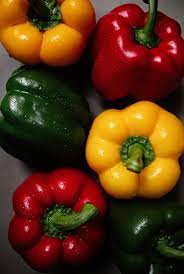
Bell peppers come in various colors, such as red, yellow, orange, and green — which are unripe.
Green, unripe peppers have a slightly bitter flavor and are not as sweet as fully ripe ones.
This article tells you everything you need to know about peppers.
Nutrition facts
Fresh, raw bell peppers are mainly composed of water (92%). The rest is carbs and small amounts of protein and fat.
The main nutrients in 3.5 ounces (100 grams) of raw, red bell peppers are (1Trusted Source):
- Calories: 31
- Water: 92%
- Protein: 1 gram
- Carbs: 6 grams
- Sugar: 4.2 grams
- Fiber: 2.1 grams
- Fat: 0.3 grams
SUMMARY
- Bell peppers are mainly made up of water and carbs. Most of the carbs are sugars, such as glucose and fructose. Bell peppers are also a decent source of fiber.
- Bell peppers are very high in vitamin C, with a single one providing up to 169% of the RDI. Other vitamins and minerals in bell peppers include vitamin K1, vitamin E, vitamin A, folate, and potassium.
- Bell peppers contain many healthy antioxidants, including capsanthin, violaxanthin, lutein, quercetin, and luteolin. These plant compounds are associated with many health benefits.
- Like other fruits and vegetables, bell peppers may have many health benefits. These include improved eye health and reduced risk of anemia.
- Bell peppers are anti-inflammatory and high in vitamins A and C. They contain 6 grams of digestible (net) carbs per serving.
Vitamins and minerals
Bell peppers are loaded with various vitamins and minerals.
- Vitamin C. One medium-sized red bell pepper provides 169% of the Reference Daily Intake (RDI) for vitamin C, making it one of the richest dietary sources of this essential nutrient.
- Vitamin B6. Pyridoxine is the most common type of vitamin B6, which is a family of nutrients important for the formation of red blood cells.
- Vitamin K1. A form of vitamin K, also known as phylloquinone, K1 is important for blood clotting and bone health.
- Potassium. This essential mineral may improve heart health (2Trusted Source).
- Folate. Also known as vitamin B9, folate has a variety of functions in your body. Adequate folate intake is very important during pregnancy (3Trusted Source).
- Vitamin E. A powerful antioxidant, vitamin E is essential for healthy nerves and muscles. The best dietary sources of this fat-soluble vitamin are oils, nuts, seeds, and vegetables.
- Vitamin A. Red bell peppers are high in pro-vitamin A (beta carotene), which your body converts into vitamin
 Survey Of World
Leave a comment