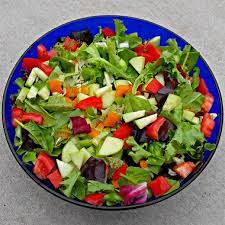
A generic name given to a variety of different types of leafy vegetables that are most often used in salads or sandwiches. Commonly referred to as “greens”, salad greens include arugula, asparagus chicory, Batavian endive, bibb lettuce, celtuce lettuce, crisphead lettuce, lamb’s lettuce, oak leaf lettuce, red leaf lettuce, chicory, corn salad, curly endive, escarole, frisée, houttuynia, mâche, mesclun, sorrel, upland cress, watercress, winter purslane, spinach greens, mustard greens, dandelion greens, and turnip greens.
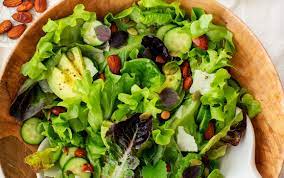
The benefits of greens
Most salad greens contain essential dietary nutrients, such as vitamins, minerals, and even water. “They also provide fiber, which is beneficial in many areas, including cardiovascular and gastrointestinal health. Greens are also low in calories, but high in nutrients and volume, which can be helpful if you’re trying to manage your weight,” Moore points out.
Some of the most nutritious greens include spinach, kale, romaine, watercress, and arugula (see “Salad greens by the numbers”). They are rich in a combination of vitamins A, C, and K; several B vitamins (including folate); and potassium.
But some greens aren’t nutrient powerhouses. Iceberg lettuce, for example, contains folate and vitamin A, but is otherwise known for being the least nutrient-dense salad green. “I’m not recommending that you avoid iceberg lettuce,” Moore says, “just that it’s best to mix it with other greens.”
The benefits of greens
Most salad greens contain essential dietary nutrients, such as vitamins, minerals, and even water. “They also provide fiber, which is beneficial in many areas, including cardiovascular and gastrointestinal health. Greens are also low in calories, but high in nutrients and volume, which can be helpful if you’re trying to manage your weight,” Moore points out.
Some of the most nutritious greens include spinach, kale, romaine, watercress, and arugula (see “Salad greens by the numbers”). They are rich in a combination of vitamins A, C, and K; several B vitamins (including folate); and potassium.
But some greens aren’t nutrient powerhouses. Iceberg lettuce, for example, contains folate and vitamin A, but is otherwise known for being the least nutrient-dense salad green. “I’m not recommending that you avoid iceberg lettuce,” Moore says, “just that it’s best to mix it with other greens.”

 Survey Of World
Leave a comment